

Clean water is something most people in the UK take for granted. We turn on the tap, fill a glass
and drink without a second thought. But that clear liquid may contain hidden chemicals that can
interfere with our hormones. These chemicals are known as endocrine-disrupting chemicals (EDCs),
and they pose a growing risk to both human health and the environment.
Understanding the presence and impact of endocrine disruptors in water is a key part of protecting
long-term health. This article explains what these chemicals are, how they enter our water, the damage
they can cause and how we can take action to reduce exposure.
What are endocrine disruptors and why
are they dangerous?
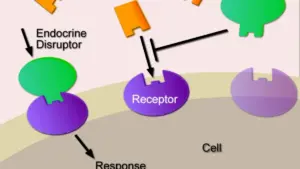
Endocrine disruptors are natural or synthetic substances that affect the body’s endocrine system.
This system produces hormones that control many vital functions, including growth, metabolism,
reproduction and brain development.
Some endocrine disruptors mimic hormones like oestrogen and testosterone. Others block or alter
hormone signals. This can confuse the body and lead to long-term health effects, even at very low
levels of exposure.
Common endocrine-disrupting chemicals include:
- Bisphenol A (BPA), used in plastics and food packaging
- Phthalates, found in cosmetics and personal care products
- Polychlorinated biphenyls (PCBs), industrial chemicals banned
in many countries but still present in the environment
- Atrazine, a herbicide used in agriculture that can contaminate groundwater
These substances are found in everyday products, which makes them difficult to avoid entirely.
Their presence in the water supply is particularly concerning because of the potential for long-term,
low-level exposure.
How endocrine disruptors enter UK
water systems
There are several routes through which endocrine disruptors get into our water.
- Agricultural runoff carries fertilisers and pesticides into rivers and groundwater.
- Industrial waste can release chemical residues into nearby water sources.
- Household products like shampoos, cleaning fluids and plastics release
EDCs that enter drains and sewage.
- Pharmaceuticals, including hormone-based medicines, are flushed into
sewage systems after use.
Wastewater treatment plants in the UK are not always equipped to fully remove endocrine disruptors.
Many systems are designed to deal with bacteria and solids, not micro-contaminants like EDCs.
As a result, these chemicals can remain in the water that returns to rivers or is reused for drinking.
The impact of endocrine disruptors
on human health
Research shows that exposure to endocrine disruptors in water can
lead to a range of serious health problems.
Reproductive health problems
EDCs can interfere with natural hormone function in both men and women.
Studies suggest links to reduced sperm quality, early puberty in girls,
menstrual disorders and reduced fertility.
Hormone-related cancers
Because endocrine disruptors can mimic hormones like oestrogen or
testosterone,they may contribute to breast cancer, ovarian cancer and
prostate cancer.
Effects on brain development
Exposure to EDCs during pregnancy or early childhood may disrupt brain development.
This has been linked to learning difficulties, behavioural conditions such as ADHD and
increased risk of autism spectrum conditions.
Obesity and diabetes
Some endocrine disruptors are known as obesogens because they promote fat storage.
Long-term exposure may raise the risk of obesity, insulin resistance and type 2 diabetes.
Environmental effects of endocrine
disruptors in water
The natural world is also affected when endocrine disruptors contaminate rivers, lakes and seas.
In aquatic environments, researchers have found feminisation of male fish due to oestrogen-like
substances in water, developmental abnormalities in amphibians and disruption of reproductive
cycles in birds and aquatic mammals. These changes affect food chains and biodiversity.
Endocrine disruptors do not just impact people. They affect entire ecosystems.
Can we remove endocrine disruptors
from water systems?
Most traditional water treatment systems are not designed to remove EDCs. However, several
modern technologies show promise.
- Activated carbon filters can trap many organic compounds.
- Reverse osmosis uses pressure and membranes to filter
contaminants at a molecular level. - Advanced oxidation processes use light or ozone to break
down chemical substances.
Some of these systems are used in specialised water treatment or high-end home filters.
However, wider use is limited by cost and infrastructure needs.
How we can reduce exposure and
prevent contamination
The best solution is to prevent endocrine disruptors from entering water in the first place. This includes:
- Improving wastewater treatment systems to remove more contaminants
- Reducing the use of harmful chemicals in farming and household products
- Properly disposing of medicines instead of flushing them down the toilet
- Choosing personal care items that are free from parabens, phthalates and other EDCs
- Supporting policies that ban or limit harmful chemicals in consumer goods
Public awareness is also important. The more people understand the issue, the more likely they are
to make safer choices and push for stronger regulations.
Final thoughts on endocrine
disruptors in water
Endocrine disruptors in water are a serious and invisible threat. Their effects on hormones, fertility,
cancer risk and development are well documented. While more research is needed, the current
evidence is strong enough to justify urgent action.
We all have a role to play in reducing exposure and improving water quality. This includes using safer
products, supporting smarter policies and encouraging better treatment systems.
Prevention is the best solution.
By staying informed and acting responsibly, we can help protect both human health and the
environment from these hidden chemical threats.