

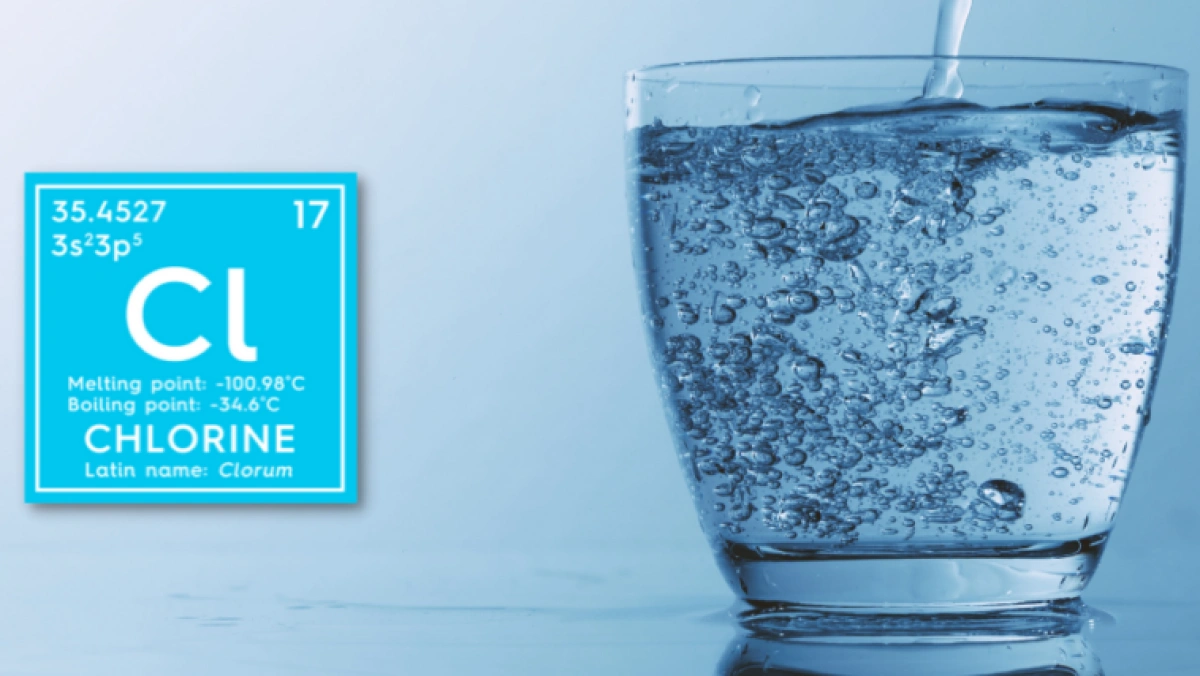
Chlorine has long been the standard disinfectant used in municipal water treatment to eliminate harmful bacteria,
viruses, and other pathogens.
While effective in making water safe from infectious diseases, chlorine by-products can lead to unintended health risks
when they are consumed unintentionally.
This reaction produces a group of chemicals known as disinfection by-products (DBPs), which pose potential
long-term health concerns.
What Are Chlorine By-Products?
When chlorine is added to water, it interacts with organic materials such as decaying plant matter, algae, and even
pollutants.
This chemical reaction forms a variety of DBPs, including:
- Trihalomethanes (THMs) – The most common class of DBPs, including
chloroform, bromodichloromethane, and others.
- Haloacetic acids (HAAs) – Another prevalent group that includes
chemicals like dichloroacetic acid and trichloroacetic acid.
- Chlorate and Perchlorate – By-products that can affect thyroid function
by disrupting iodine uptake.
- Chlorinated Phenols – Chemicals that can arise when chlorine interacts
with certain industrial pollutants or naturally occurring organic compounds.
Risks of Chlorine by-products
in Treated Water
Research has raised concerns about the potential health risks associated with long-term exposure to DBPs, primarily
through drinking water and inhalation (such as from steam in showers). Some of the major risks include:
1. Increased Cancer Risk
Numerous epidemiological studies have linked DBP exposure to an increased risk of bladder cancer. The U.S.
Environmental Protection Agency (EPA) has classified some THMs and HAAs as possible human carcinogens
due to their mutagenic and DNA-damaging properties.
2. Reproductive and Developmental Issues
DBPs, particularly HAAs, have been associated with reproductive problems, including lower birth weights,
congenital disabilities, and an increased risk of miscarriage. Some studies suggest that pregnant women
exposed to high levels of DBPs through drinking water may have a higher likelihood of adverse birth outcomes.
3. Hormonal and Endocrine Disruption
Chlorine by-products like chlorate and perchlorate can interfere with thyroid function by disrupting iodine
absorption, which is critical for hormone production.
This can lead to metabolic disturbances and developmental issues, especially in infants and young children.
4. Respiratory and Skin Irritation
Exposure to DBPs is not limited to ingestion. Taking hot showers or using treated water in swimming pools
can lead to inhalation or dermal absorption of THMs. These exposures have been linked to respiratory issues,
skin irritation, and even asthma-like symptoms in sensitive individuals.
How to Reduce Exposure to
Chlorine By-Products
Although it is difficult to eliminate DBPs from municipal water systems entirely, there are steps individuals
can take to minimize exposure:
- Use Activated Carbon Filters: High-quality carbon filters can significantly reduce
THMs and other DBPs in drinking water.
- Opt for Reverse Osmosis Systems: This advanced filtration method is highly
effective at removing DBPs and other contaminants.
- Ventilate Bathrooms and Kitchens: Since DBPs can become airborne during
showers and cooking, improving ventilation can help minimize inhalation.
- Consider Alternative Disinfection Methods: Some municipalities use ozone,
ultraviolet (UV) light, or chloramine instead of chlorine, which produces fewer
DBPs.
- Use Bottled or Spring Water When Necessary: If living in an area with high
DBP levels, occasionally opting for high-quality bottled water can help reduce
exposure.
Conclusion
Chlorine has played an essential role in ensuring safe drinking water, but chlorine by-products come with potential
health risks that shouldn’t be overlooked.
As research continues to uncover the long-term effects of DBP exposure, it is crucial to stay informed and
take proactive steps to limit ingestion and inhalation of these potentially harmful compounds.
Investing in proper water filtration and advocating for improved municipal water treatment strategies can go
a long way in ensuring safer drinking water for future generations.