

In the grand tapestry of modern civilization, industrialization has been both our golden thread and
our fraying edge.
While it brought us technological wonders, faster production, and economic expansion, it also
quietly introduced a silent epidemic: industrial contamination of our water supplies.
Beneath the surface of our lakes, rivers, and even household taps, a dangerous cocktail of
industrial chemicals threatens not just environmental integrity, but human health at its core.
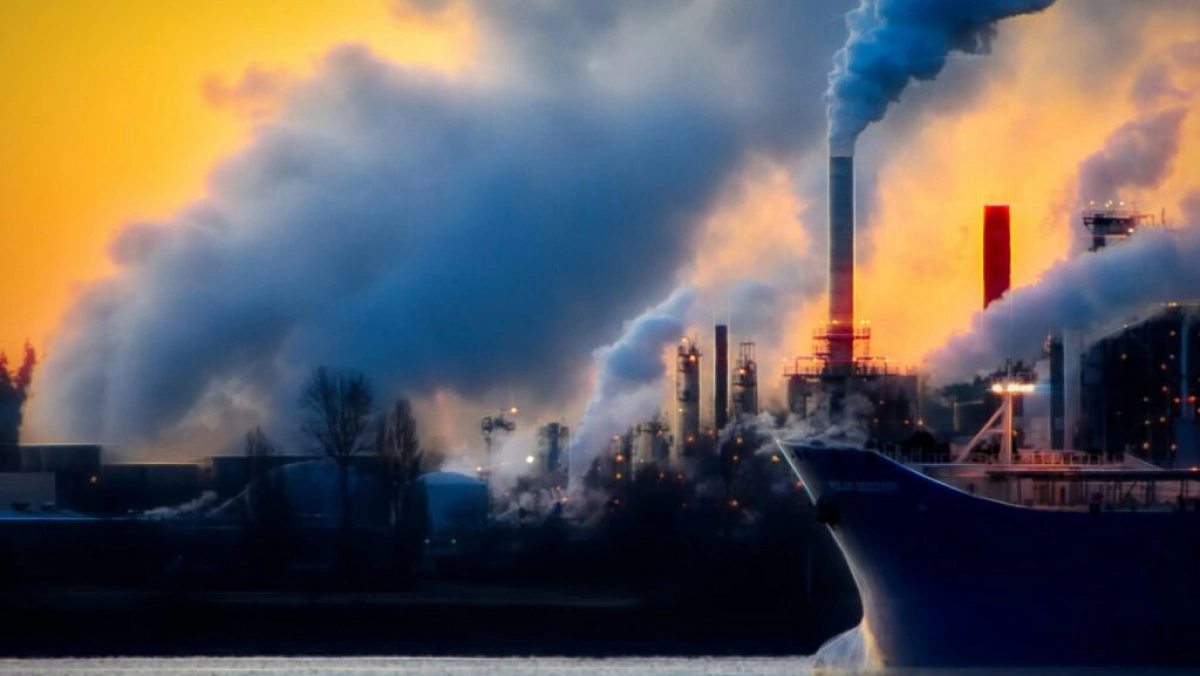
The Invisible Threat: Industrial Contamination
Industrial processes—from textile manufacturing to electronics, agriculture to fossil fuel refinement,
generate tons of waste chemicals. Often, these substances find their way into water bodies through
leaching, runoff, spills, or poor waste management.
Some of the most notorious classes of contaminants include:
- PFAS (Per- and Polyfluoroalkyl Substances): Known as “forever chemicals”
due to their resistance to degradation.
- Heavy metals: Lead, arsenic, mercury, and cadmium, often by-products of
mining and metallurgy.
- Volatile Organic Compounds (VOCs): Used in solvents and degreasers.
- Nitrates and phosphates: Fertilizer components that destabilize aquatic ecosystems.
Many of these substances are odourless, tasteless, and invisible to the naked eye.
But their effects are anything but.
Industrial Contamination to Industrial Condition:
The Human Toll
Decades of research and epidemiological tracking have linked chemical-laced water to a wide
spectrum of health issues, many of which develop insidiously over time:
1. Endocrine Disruption
Chemicals like PFAS and certain pesticides can mimic or interfere with hormone function,
leading to reproductive issues, thyroid problems, metabolic disorders, and developmental
abnormalities in children.
Even at low doses, endocrine disruptors can cause long-term harm due to the body’s
sensitivity to hormonal signalling.
2. Cancer Risk
Industrial chemicals such as trichloroethylene, benzene, and arsenic are classified as
carcinogens by agencies like the International Agency for Research on Cancer (IARC).
Long-term exposure—especially in vulnerable populations—has been tied to increased
rates of bladder, liver, kidney, and breast cancers.
3. Neurological and Cognitive Damage
Heavy metals like lead and mercury are particularly dangerous to the developing brains
of children, causing lower IQ, behavioural problems, and learning disabilities.
In adults, exposure has been linked to neurodegenerative disorders such as
Alzheimer’s and Parkinson’s.
4. Immune System Suppression
PFAS exposure has been shown to weaken immune response, reducing vaccine
effectiveness and increasing susceptibility to infections.
Some studies indicate elevated autoimmune disorders in communities with
long-term chemical exposure.
5. Kidney and Liver Damage
These organs serve as the body’s natural filtration system. Many industrial solvents,
metals, and synthetic compounds build up in the kidneys and liver, leading to
chronic diseases, fibrosis, and, in extreme cases, failure.
High-Risk Communities:
Who Suffers the Most?
While anyone can be affected, the brunt of this crisis is borne by low-income, rural, and minority
communities, often living downstream or adjacent to industrial sites.
Their voices are rarely heard in regulatory processes, and access to clean water alternatives or
testing resources is limited.
In Flint, Michigan, for example, thousands were exposed to lead-contaminated water in a crisis
that unfolded not from accident, but from neglect and systemic failure. Similar patterns are
found globally, from textile towns in India to e-waste sites in Africa.
Regulation vs. Reality
The Safe Drinking Water Act (SDWA) in the U.S. and similar policies worldwide aim to protect
public water, but they lag behind scientific evidence.
Many chemicals detected in drinking water are not regulated, and existing standards often
don’t reflect modern toxicological understanding; particularly regarding chronic low-dose
exposure and chemical synergies (where multiple toxins amplify each other’s effects).
Worse, industrial lobbying continues to shape lenient regulations and delay the banning
of known harmful substances.
Solutions: A Fight for Transparency and Innovation
Solving this crisis requires a multi-pronged approach that combines policy, innovation, and
public pressure:
- Advanced filtration technologies like activated carbon, reverse osmosis,
and ion exchange resins must be made accessible to vulnerable populations.
- Real-time chemical monitoring systems can alert communities before
industrial pollution even occurs.
- Polluter accountability laws must be enforced—no more “externalizing” costs
onto the environment and public health.
- Education and data transparency: Citizens have a right to know what’s in their
water and what long-term risks they face.
Conclusion: From Passive Exposure to Proactive Defence
The presence of industrial contamination in our Water Supplies is not just an environmental issue;
it is a slow-moving public health crisis that disproportionately affects the voiceless.
Yet, history shows that when science, public awareness, and grass roots movements align, even
the largest industries can be held accountable.