

Mass timber construction is transforming the way the UK approaches high-rise developments, offering
a sustainable alternative to traditional steel and concrete without the fanfare of more high-profile green
technologies.
In cities like London, where space is at a premium and carbon reduction targets are ambitious,
engineered wood products such as cross-laminated timber (CLT) and glulam are enabling taller, greener
structures.
This quiet revolution is not only lowering embodied carbon but also speeding up build times and creating
healthier urban environments. As the UK pushes towards net-zero goals, mass timber high-rise buildings
are emerging as a practical solution for developers seeking both environmental and economic benefits.
What is Mass Timber and Why is it Suited to High-Rise Construction?
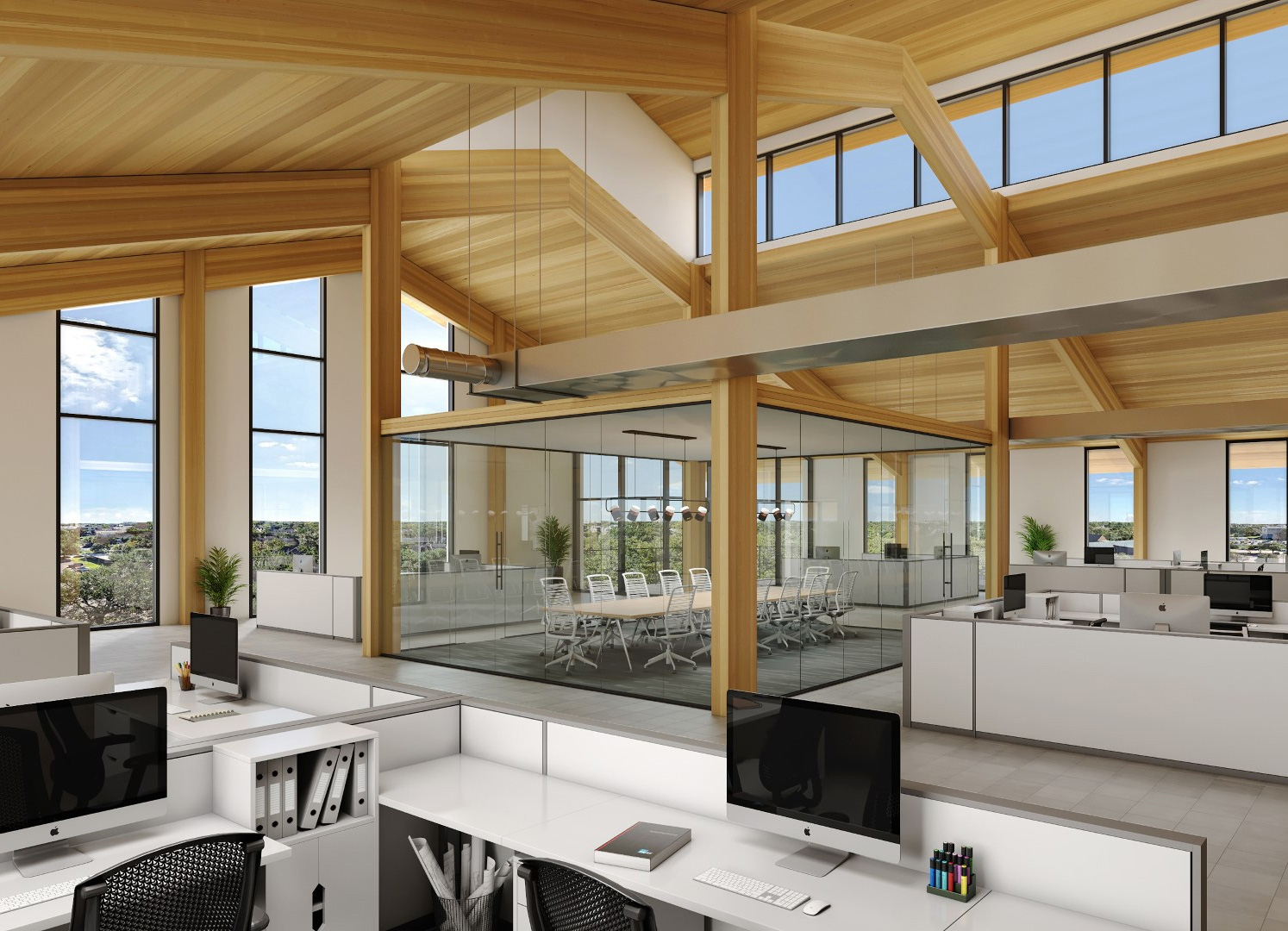
Mass timber refers to large-scale engineered wood panels and beams manufactured by laminating
layers of timber under pressure.
Products like CLT, which consist of perpendicular layers of softwood, provide exceptional strength
and stability while remaining remarkably lightweight compared to steel or concrete equivalents.
This makes mass timber particularly well-suited for high-rise buildings, where structural demands
are high but weight and foundation requirements can drive up costs.
In the UK, leading architects such as Waugh Thistleton have championed mass timber for its versatility.
Unlike conventional lumber, these engineered elements can span greater distances and support
multi-storey loads, allowing for open-plan designs that enhance natural light and occupant wellbeing.
The material’s prefabrication process means components are precision-cut off-site in factories, reducing
on-site waste and enabling rapid assembly – a key advantage in congested urban sites across London
and beyond.
The Environmental Advantages of Mass Timber in UK High-Rises
One of the most compelling reasons for adopting mass timber in high-rise construction is its dramatic
reduction in carbon emissions. Studies show that mass timber buildings can cut greenhouse gas
emissions by up to 60 percent compared to concrete or steel structures, thanks to the biogenic carbon
stored within the wood and the avoidance of energy-intensive manufacturing processes.
For UK developers facing strict sustainability regulations, this translates into tangible gains. Trees used
in mass timber sequester carbon during growth, and when responsibly sourced from sustainable forests
– many of which supply UK projects – the material acts as a carbon sink throughout the building’s lifecycle.
In contrast, producing one tonne of concrete releases significant CO₂, making mass timber a smarter
choice for meeting the UK’s ambitious net-zero targets by 2050.
Additionally, mass timber requires smaller foundations due to its lighter weight, minimising excavation and
associated emissions. This is particularly beneficial in London’s clay-heavy soils, where reduced
groundwork can save developers thousands of pounds in site preparation costs while preserving local
ecosystems.
Speed, Efficiency and Cost Savings: The Economic Case
Mass timber is not just greener – it is often faster and more cost-effective to build with. Prefabricated
elements arrive on site ready to assemble, slashing construction timelines by up to 25 percent and
reducing the need for large on-site crews.
In the UK labour market, where skilled workers are in high demand, this efficiency lowers overall project
expenses and minimises disruption to surrounding communities.
Cost comparisons in the UK context reveal that mass timber frames can be competitive with traditional
materials. A recent analysis of a six-storey residential project in Greater London found timber
construction only five percent more expensive than concrete equivalents, with potential savings when
factoring in faster completion and lower preliminaries.
Whole-building costs typically hover around £2,000 to £2,400 per square metre for mass timber options,
depending on scale and finishes, making it an attractive proposition for forward-thinking developers.
The lighter structure also means reduced foundation expenses – often a major line item in high-rise
budgets. With fewer truck deliveries and no lengthy concrete curing periods, projects can achieve earlier
occupancy and faster returns on investment, a crucial factor in the competitive UK property market.
UK Landmark Projects Showcasing Mass Timber Innovation
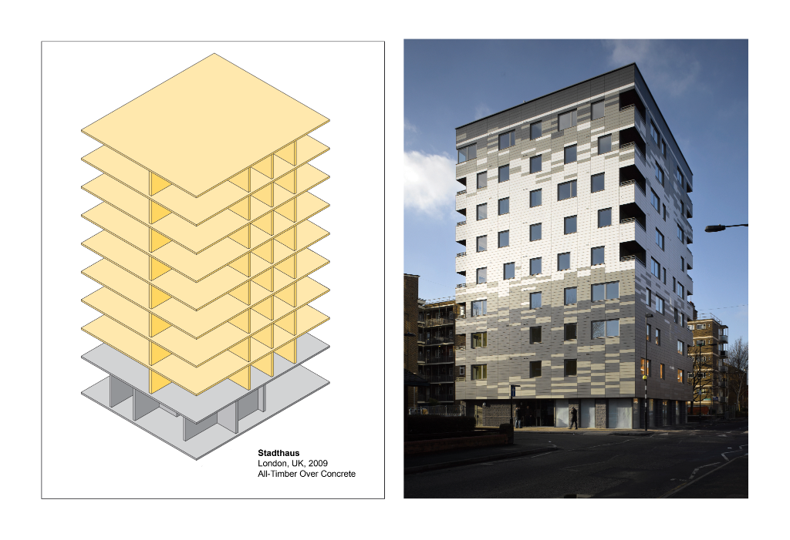
The UK is at the forefront of mass timber high-rise adoption in Europe, with pioneering projects
demonstrating the material’s potential. Waugh Thistleton Architects, a London-based firm, has led
the charge, completing over 100 CLT projects across the country and proving that wood can
deliver both beauty and performance at scale.
The Black & White Building: A London Mass Timber Milestone
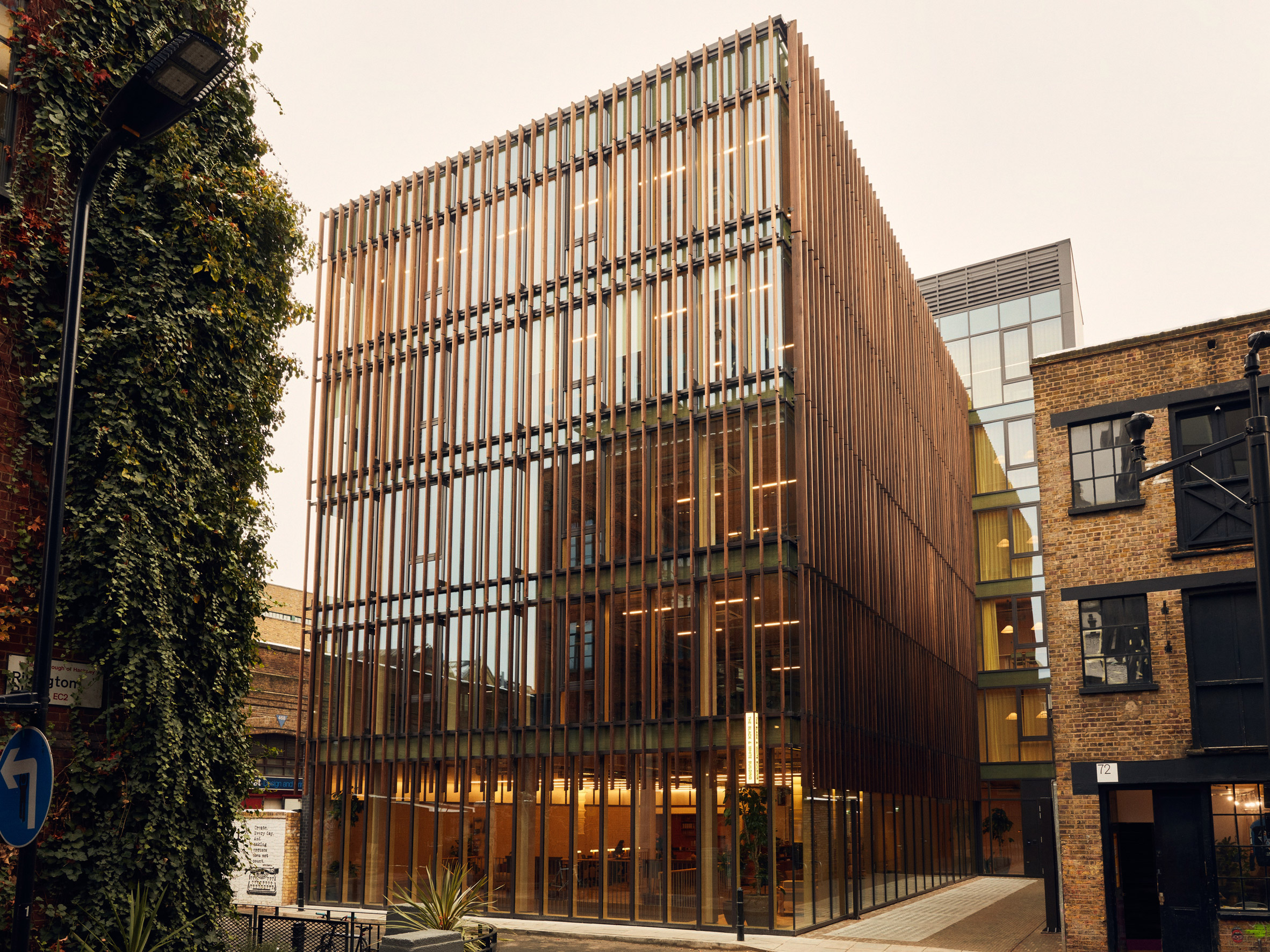
Completed in Shoreditch, the Black & White Building stands as one of London’s most striking
examples of mass timber office design. This seven-storey structure by Waugh Thistleton for
Fora features a fully timber frame with exposed CLT elements, creating a warm, biophilic
workspace that contrasts sharply with surrounding glass-and-steel towers.
The building achieves 40 percent lower embodied carbon than a conventional equivalent, while
its prefabricated panels allowed rapid erection in the heart of the capital.
Occupants praise the natural aesthetic and improved indoor air quality, factors that are
increasingly influencing tenant choices in the post-pandemic office market. At a time when
UK commercial landlords seek ESG credentials to attract premium tenants, the Black & White
Building sets a new benchmark.
Dalston Works: Pioneering Large-Scale CLT in Hackney
Another standout is Dalston Works (also known as Dalston Lane), once the world’s largest CLT
building upon completion. Located in Hackney, east London, this mixed-use development by
Waugh Thistleton showcases how mass timber can deliver high-density housing and
commercial space efficiently.
Its success has inspired subsequent projects and helped refine UK supply chains for engineered
timber.
These UK examples highlight how mass timber integrates seamlessly with local architecture,
blending modern design with traditional craftsmanship while prioritising sustainability.
Addressing Challenges and Building Confidence
Despite its advantages, mass timber high-rises face hurdles in the UK, including fire safety perceptions
and regulatory nuances. However, modern treatments and charring properties make CLT more
fire-resistant than many assume, with full-scale testing supporting its use in taller structures.
The government’s Timber in Construction Roadmap is actively addressing skills gaps and insurance
concerns, paving the way for broader adoption in non-residential high-rises.
Hybrid systems combining mass timber with concrete cores for stability further mitigate concerns,
enabling even taller buildings while maintaining the material’s core benefits.
The Future of Mass Timber in UK Urban Development
Looking ahead, proposals like the Oakwood Timber Tower – a visionary 300-metre plyscraper for
London – signal ambitions for truly skyscraper-scale mass timber. As building codes evolve and the
UK’s domestic timber supply grows through reforestation initiatives, mass timber could become the
default for mid-to-high-rise projects from Manchester to Edinburgh.
With global examples pushing boundaries and UK expertise leading the way, the quiet revolution is
poised to reshape skylines. Developers who embrace mass timber today will not only future-proof
their portfolios but also contribute to a more sustainable built environment for generations to come.
In summary, mass timber is quietly but powerfully revolutionising high-rise building in the UK. From
reduced carbon footprints and faster construction to inspiring projects in London and beyond, this
innovative approach offers a compelling path forward. As the industry continues to innovate, expect
to see more wooden high-rises defining the UK’s cities – a testament to engineering ingenuity and
environmental stewardship.