

In 2026, the UK construction industry stands at a pivotal crossroads. With housing demand soaring and
traditional on-site methods struggling under labour shortages and weather delays, modular construction
(also known as off-site building) has emerged as a game-changer.
Factories across Britain are now producing high-quality homes and commercial structures in controlled
environments before transporting them for rapid assembly. This shift promises to revolutionise how we
build, addressing everything from the national housing crisis to net-zero targets.
What Exactly Is Off-Site Modular Construction?
Off-site modular construction involves manufacturing complete building sections, or modules, in a factory
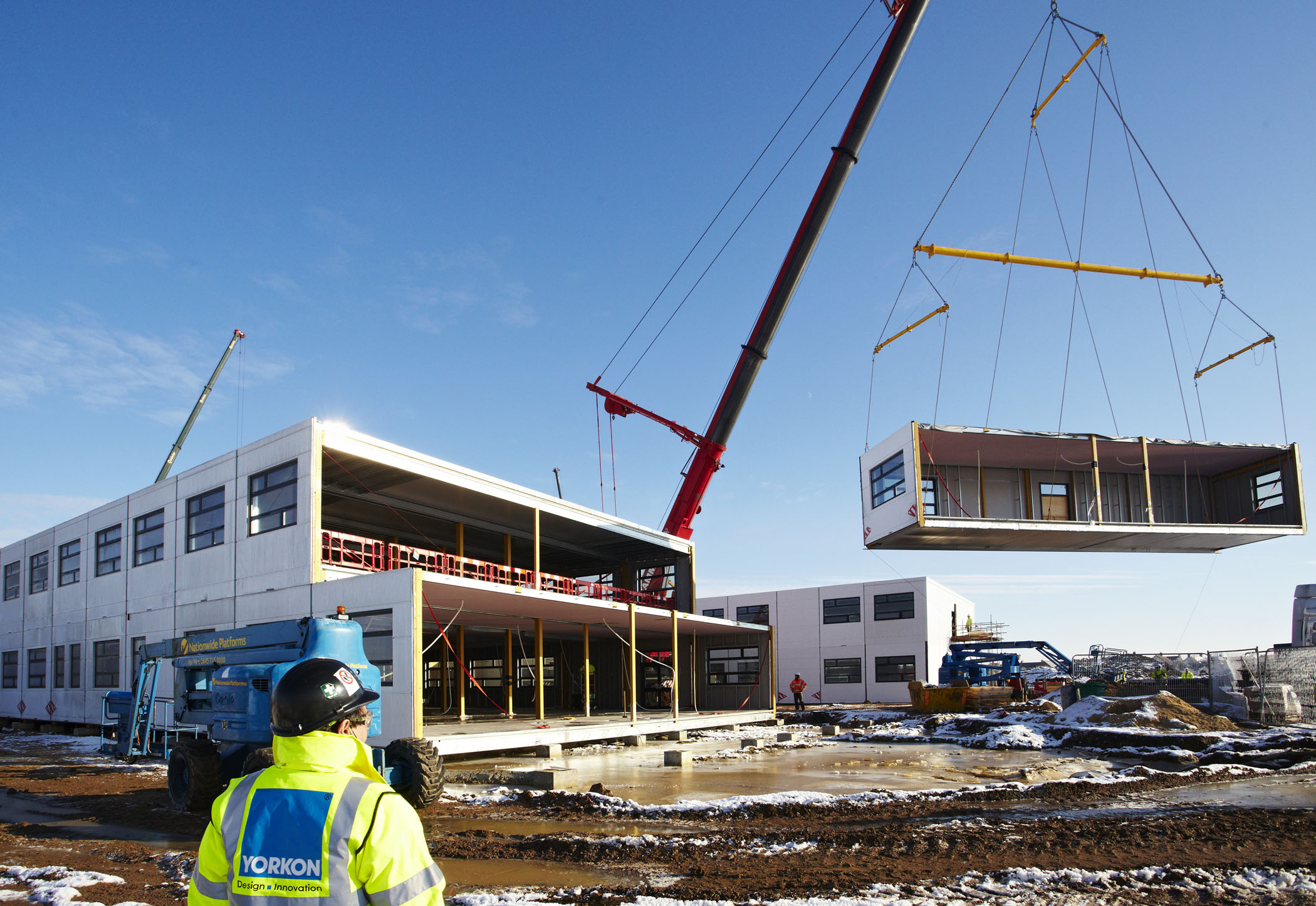
setting. These volumetric units, often entire rooms or floor plates, are then transported to site and craned
into position. Unlike traditional brick-and-mortar builds, up to 95% of the work happens away from the
construction site.
In the UK, this approach aligns perfectly with Design for Manufacture and Assembly (DfMA) principles,
ensuring precision and repeatability.
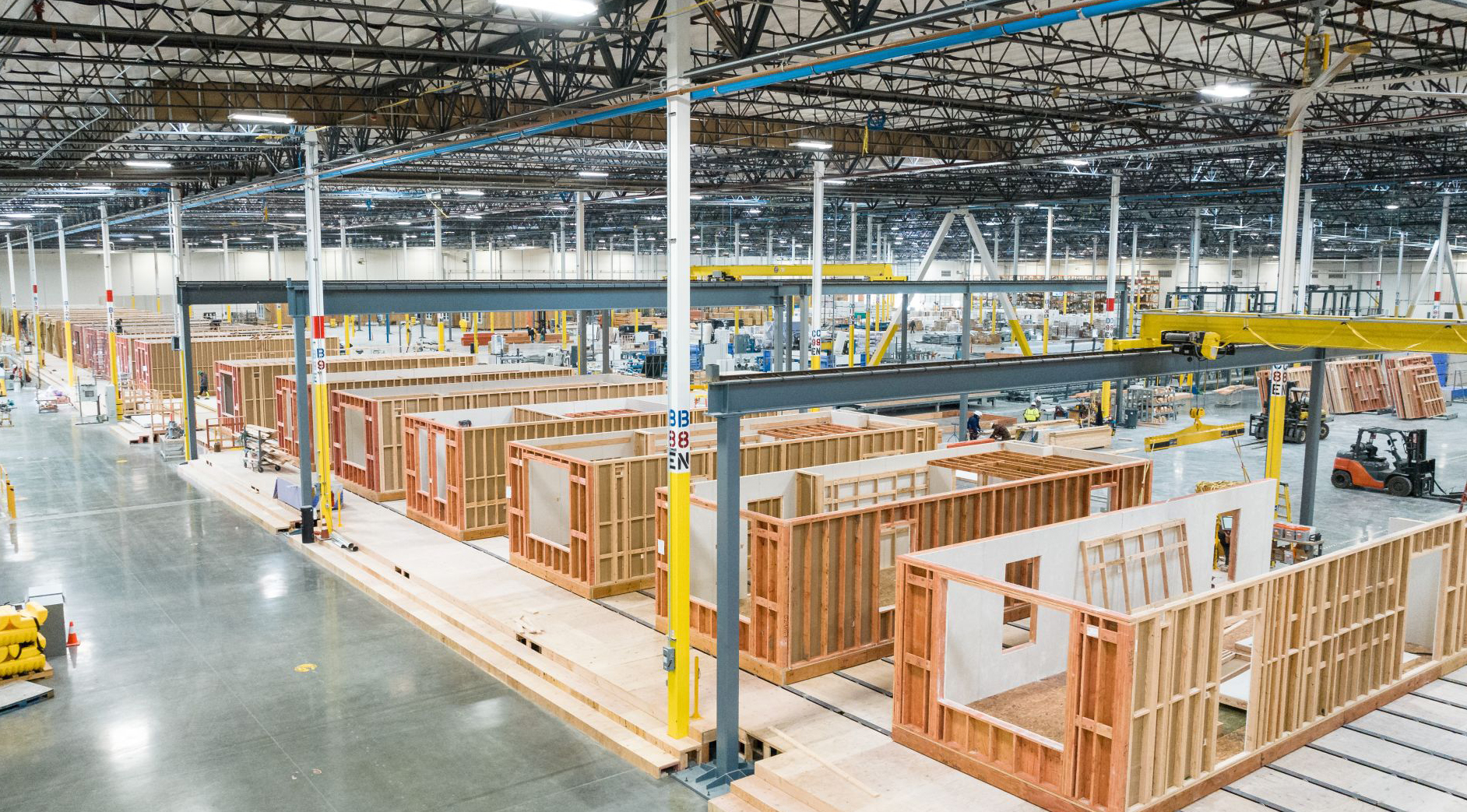
Leading UK factories, such as those operated by Premier Modular and TopHat in Corby,
exemplify this efficiency. Workers assemble insulated walls, fitted kitchens, and even
plumbing systems under one roof, minimising errors and waste.
The Surge of Modular Building in the UK Housing Market
The UK’s chronic housing shortage has accelerated adoption of modular techniques.
Government initiatives, including the National Planning Policy Framework’s support for
Modern Methods of Construction (MMC), continue to prioritise off-site solutions for
affordable homes and public projects. By 2026, the sector’s annual growth exceeds 8%,
with a current market turnover of £13.9 billion projected to reach £16.6 billion by 2027.
Housing associations and local authorities in regions like the Midlands and North
Yorkshire are leading the charge. TopHat’s state-of-the-art Corby facility, for instance,
is scaling production to deliver thousands of homes annually, supporting the
government’s 1.5 million new homes target over the next five years.
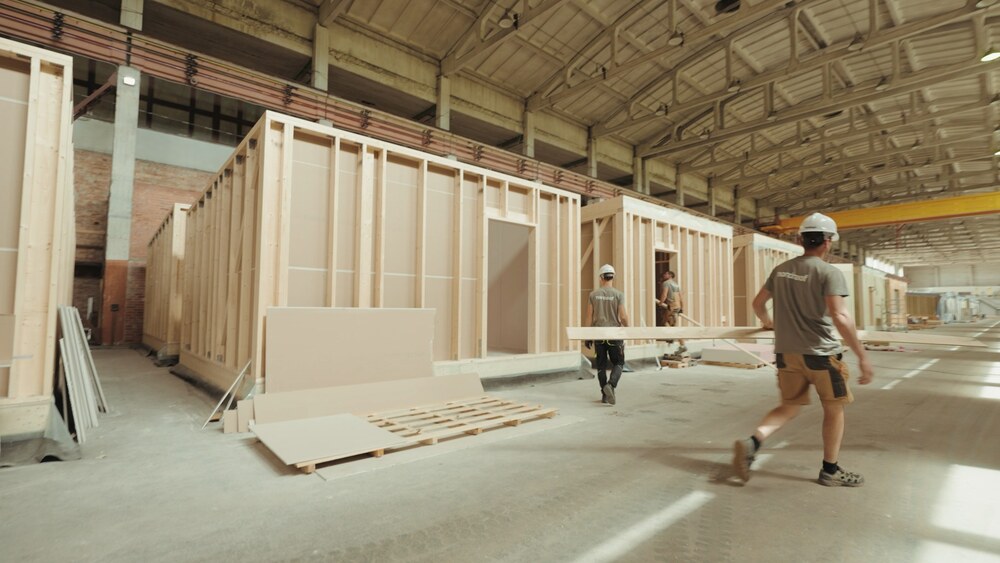
This momentum stems from practical necessity: off-site methods cut reliance on
scarce skilled labour and combat rising material costs.
Major Benefits Driving the Off-Site Revolution
Modular construction delivers tangible advantages that traditional builds simply cannot
match in today’s economic climate.
Accelerated Project Timelines
Factory production runs parallel to site preparation, slashing delivery times by 30-50%.
A typical three-bedroom home that might take 12 months on-site can be completed in
just four to six months. For UK developers facing tight deadlines, this speed translates
directly into faster returns on investment.
Significant Cost Savings in Pounds
Clients across Britain report savings of up to 20-32% compared with conventional
methods. Reduced labour needs, lower waste (often under 5%), and predictable factory
pricing help keep budgets on track. In 2026, with inflation pressures lingering, a modular
two-bedroom apartment in a southern England development might cost £180,000 to
produce versus £240,000 traditionally; freeing up funds for more units.
Enhanced Sustainability and Eco Credentials
Off-site building aligns seamlessly with UK net-zero goals. Modular homes consume 55%
less energy than average properties, thanks to superior insulation and airtight construction.
Waste reduction reaches 50-70%, and factories in Corby and elsewhere recycle materials
efficiently. Public sector projects increasingly demand these green credentials for education
and healthcare facilities.
Superior Quality and Safety Standards
Controlled factory conditions eliminate weather-related defects and improve health and
safety. Modules undergo rigorous testing before leaving the production line, resulting in
higher-quality finishes and fewer snags on handover.
UK Companies Leading the Modular Charge
Several homegrown firms are setting the benchmark. Portakabin remains the largest UK specialist,
delivering relocatable and permanent modular solutions for schools and hospitals nationwide.
Wernick Group, a family-owned powerhouse, provides turnkey services from design to installation,
with a strong logistics network spanning England, Scotland, and Wales.
Premier Modular excels in high-volume volumetric projects, while TopHat’s Corby mega-facility
positions it as a frontrunner for large-scale residential schemes. Laing O’Rourke also integrates
off-site expertise into major infrastructure works.
These companies demonstrate that British innovation is making modular construction scalable
and commercially viable.

Real-World UK Projects Proving the Concept
From affordable housing schemes in the South East to modular schools in the North West,
success stories abound. A recent partnership between a major housing provider and off-site
specialists delivered over 300 net-zero carbon homes annually in southern England.
Similarly, public procurement frameworks have fast-tracked hospital extensions and student
accommodation using crane-lifted modules.
These projects highlight reduced site disruption – vital in urban areas like Manchester or
Birmingham – and quicker occupation for residents in need.
Overcoming Challenges in the Modular Journey
Despite the hype, hurdles remain. Past high-profile setbacks have heightened scrutiny around
financial resilience and supply chain stability. Public perception sometimes lags, with concerns
over “prefab” stigma, though modern designs rival traditional aesthetics.
Transport logistics and planning permissions for factory-scale facilities also require careful
navigation.
However, 2026 marks a turning point. Improved standards, digital twins for design, and
government-backed grants are building confidence. The focus has shifted from innovation to
proven scalability.

Expert Consensus: Off-Site as the New Normal?
Industry leaders agree that modular construction is no longer niche. With MMC adoption
crossing critical mass in public and affordable sectors, many predict it will become standard
practice by the end of the decade. The combination of speed, cost control, and sustainability
makes off-site the smart choice for meeting ambitious housing and infrastructure goals.
For private developers and homeowners alike, the question is shifting from “if” to “how” they
can integrate modular elements.
Looking Ahead: Modular Construction Beyond 2026
As the UK embraces smarter, greener building practices, off-site methods will evolve further.
Integration with smart technologies, such as AI-optimised factory lines, promises even greater
efficiencies. Regional factories in key growth corridors will reduce transport emissions, while
hybrid approaches blend modular cores with traditional finishes for bespoke appeal.
In conclusion, 2026 cements modular construction’s place in the UK’s built environment.
Off-site is rapidly becoming the new normal; delivering homes faster, cheaper, and more
sustainably than ever before.
For anyone involved in property development, planning, or homeownership, now is the
time to explore these transformative techniques. The factories are humming, the modules
are ready, and Britain’s construction future looks decidedly off-site.