

Introduction to Wastewater Treatment Plant Jobs
Wastewater treatment plant jobs play a crucial role in maintaining public health and environmental sustainability.
These positions involve managing the processes that clean and treat wastewater from homes, industries, and
businesses before it is released back into the environment or reused. With growing concerns about water
pollution and resource management, careers in this sector are increasingly vital.
Whether you’re interested in hands-on operational roles or more technical positions, the wastewater industry
offers stable employment opportunities with potential for growth.
In the UK, wastewater treatment is handled by regional water companies and local authorities, ensuring
compliance with strict environmental regulations. Jobs in this field not only contribute to cleaner rivers and
seas but also support the circular economy by recovering resources like biogas and nutrients from waste.
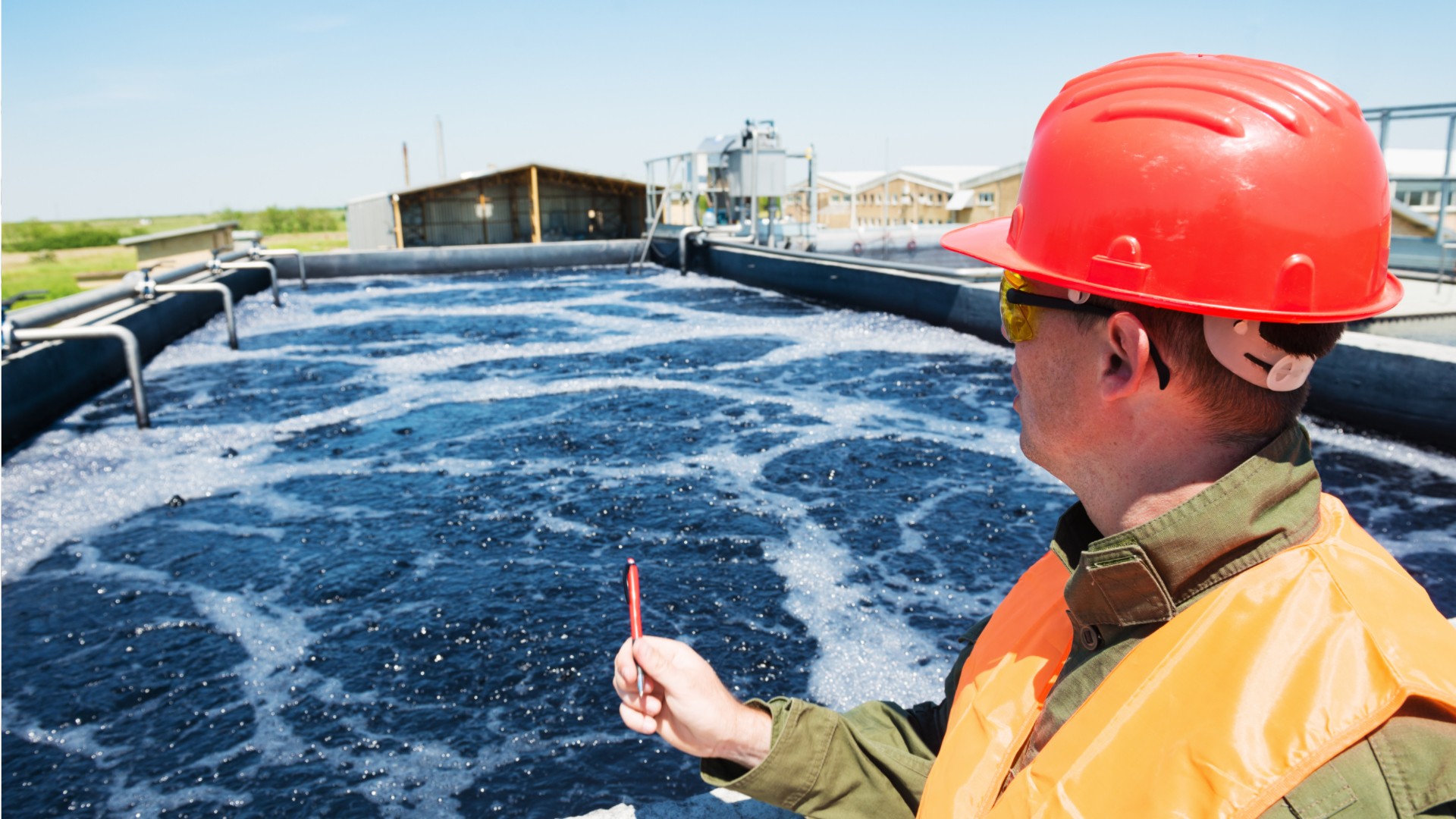
Types of Jobs Available in Wastewater Treatment Plants
Wastewater treatment plants employ a diverse range of professionals to keep operations running smoothly.
Entry-level roles often focus on daily maintenance, while senior positions involve oversight and strategic
planning.
Wastewater Treatment Operators
Operators are the backbone of any treatment plant. They monitor equipment, adjust chemical dosages, and
ensure that treatment processes meet quality standards. Daily tasks might include sampling water, operating
pumps and valves, and troubleshooting issues in real-time.
This role requires a keen eye for detail and the ability to work shifts, as plants operate around the clock.
Technicians and Engineers
Technicians handle laboratory testing and equipment repairs, analysing samples to detect contaminants and
recommending process improvements. Engineers, on the other hand, design and optimise treatment systems,
often using advanced software to model water flows and predict outcomes.
These roles demand a blend of practical skills and theoretical knowledge, making them ideal for those with
engineering backgrounds.
Support and Management Roles
Beyond technical positions, plants need administrative staff, health and safety officers, and managers.
Supervisors coordinate teams, ensure regulatory compliance, and manage budgets. Environmental specialists
focus on sustainability initiatives, such as reducing energy consumption or implementing green technologies.
Educational Requirements and Qualifications for Wastewater Careers
Entering the wastewater treatment sector doesn’t always require a university degree, making it accessible to a
wide audience. Many start with basic qualifications and build their expertise through on-the-job training.
For starters, a high school education with GCSEs in subjects like maths, science, and English is often sufficient.
Apprenticeships are popular entry points, offering paid training while you learn. For instance, a Level 2 or 3
Diploma in Water Engineering can provide foundational knowledge in treatment processes and safety protocols.
More advanced roles may require higher qualifications, such as an HNC or HND in engineering or environmental
science. Professional certifications from bodies like the Chartered Institution of Water and Environmental
Management (CIWEM) are highly valued, demonstrating competence in areas like wastewater management and
pollution control.
Ongoing training is essential, as regulations and technologies evolve rapidly.
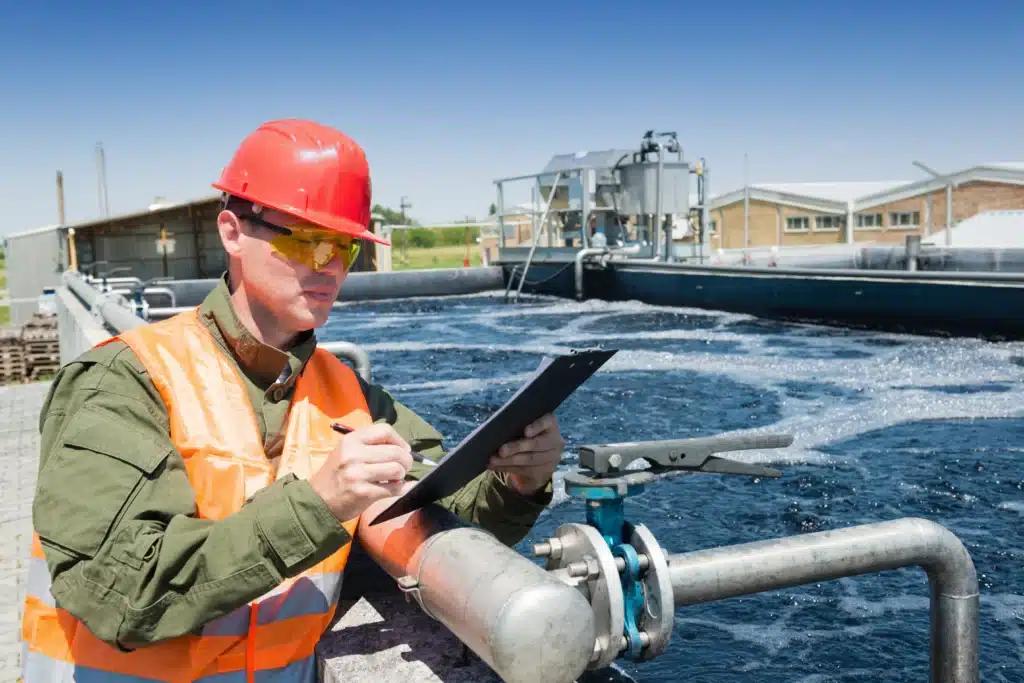
Essential Skills for Success in Wastewater Treatment Jobs
Success in wastewater treatment plant jobs hinges on a mix of technical and soft skills. Practical abilities, such
as operating machinery and conducting tests, are fundamental. Knowledge of chemistry and biology helps in
understanding treatment processes, like biological digestion or chemical precipitation.
Soft skills are equally important. Problem-solving is key when dealing with unexpected breakdowns or
contamination events. Teamwork ensures smooth operations in a shift-based environment, while attention to
detail prevents errors that could harm the environment.
Health and safety awareness is non-negotiable, given the exposure to hazardous substances and heavy
equipment.
Adaptability is another asset, as the industry shifts towards automation and sustainable practices. Familiarity
with digital tools, like SCADA systems for monitoring, can give candidates an edge in competitive job markets.
Salary Expectations and Benefits in the UK Wastewater Sector
Salaries in wastewater treatment plant jobs vary based on experience, location, and role complexity. Entry-level
positions, such as junior operators, typically start at around £17,000 to £20,000 per year. With experience,
operators can earn between £30,000 and £40,000 annually, while senior roles like plant managers might
command £50,000 or more.
In England, the average salary for waste water operators is approximately £36,804, with potential for overtime
and shift allowances boosting earnings. Benefits often include pensions, health insurance, and training
opportunities. Regional variations exist; for example, roles in London or the Southeast may offer higher pay to
offset living costs.
Compared to other sectors, wastewater jobs provide job security, as demand remains steady due to essential
services. Many employers also offer progression incentives, like funded certifications.
Career Progression and Opportunities in Wastewater Management
Career paths in wastewater treatment are progressive, allowing individuals to advance from operative roles to
leadership positions. Starting as an apprentice operator, one might move to a senior operator role after gaining
certifications and experience.
Opportunities for specialisation abound, such as in sludge management or renewable energy production from
waste. With further education, roles in research, policy, or consultancy become accessible. The sector’s focus
on innovation means exposure to cutting-edge technologies like membrane bioreactors or AI-driven monitoring.
International opportunities exist too, as skills are transferable globally. In the UK, water companies like
Thames Water or United Utilities often promote from within, fostering long-term careers.

City of New York
Challenges and Rewards of Working in Wastewater Treatment Plants
Working in wastewater treatment isn’t without challenges. Shift work can disrupt work-life balance, and the
environment involves exposure to odours, noise, and potential hazards. Compliance with stringent regulations
adds pressure, as non-compliance can lead to fines or environmental damage.
However, the rewards are significant. Contributing to public health and environmental protection provides a
sense of purpose. The job offers variety, from fieldwork to lab analysis, and the satisfaction of solving real-world
problems. Plus, with the UK’s push towards net-zero emissions, roles in this sector align with broader
sustainability goals.
How to Get Started in Wastewater Treatment Careers
To launch a career in wastewater treatment, research local water companies and check job boards like Indeed
or LinkedIn for openings. Tailor your CV to highlight relevant skills and qualifications. Consider volunteering or
internships at treatment facilities to gain insight.
Networking through industry events or online forums can open doors. Apply for apprenticeships via the National
Careers Service website. Persistence pays off, as the sector values practical experience over formal credentials
in many cases.
Conclusion: Why Consider a Job in Wastewater Treatment?
Wastewater treatment plant jobs offer a blend of stability, purpose, and growth potential. As the UK invests in
water infrastructure to combat climate change, demand for skilled professionals will rise. Whether you’re drawn
to the technical aspects or the environmental impact, this field provides fulfilling careers that make a tangible
difference.
If you’re ready for a hands-on role in a vital industry, exploring wastewater opportunities could be your next
step.