

The modern workplace is a mosaic of environments, each shaped by organizational culture, physical design,
and operational priorities. These environmental differences significantly influence employee productivity,
satisfaction, and well-being.
Understanding and adapting to these variations can help businesses and employees create spaces that
foster success. Let’s explore the key factors that define workplace environments and how they impact the
workforce.
Physical Workspace Design
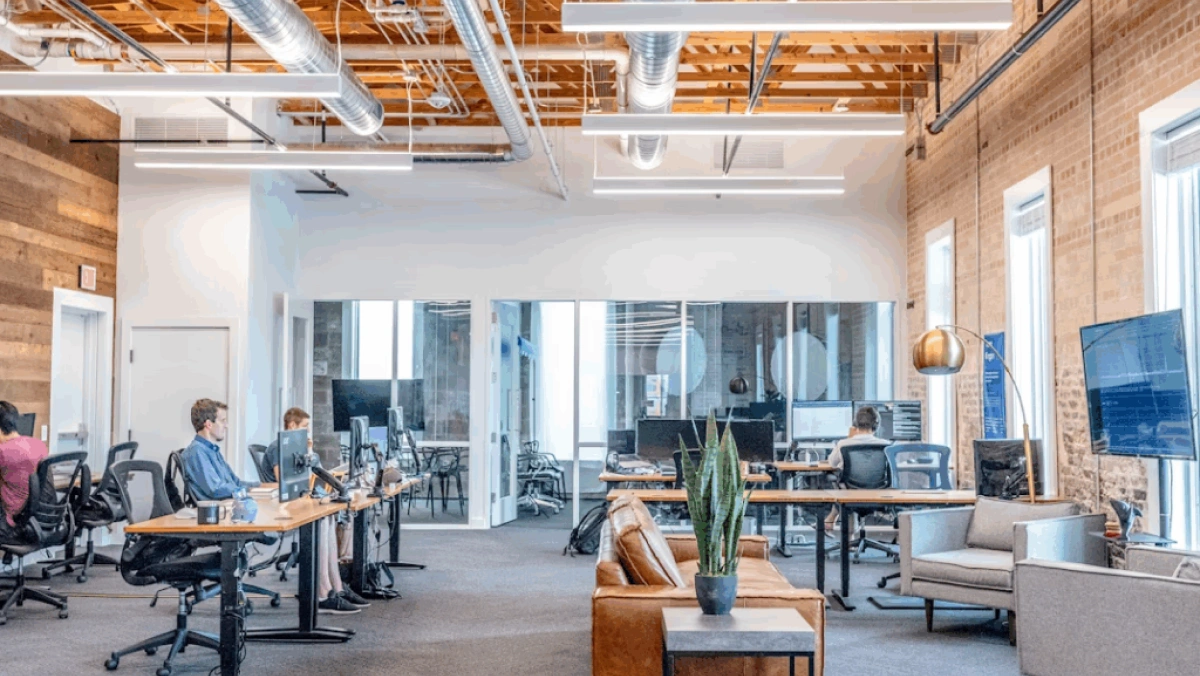
The physical layout of a workplace plays a pivotal role in shaping the employee experience. Open-plan offices,
popularized in tech startups, encourage collaboration and communication. They break down hierarchical
barriers, fostering a sense of community.
However, they can also lead to distractions, with noise levels and lack of privacy affecting focus. In contrast,
traditional cubicle-based or private office setups offer solitude, ideal for tasks requiring deep concentration,
but they may stifle spontaneous interactions.
Lighting, temperature, and ergonomics further define the physical environment. Natural light boosts mood and
productivity, while poor lighting can cause fatigue. Ergonomic furniture reduces physical strain, particularly for
employees spending long hours at desks.
Companies that invest in comfortable, well-lit spaces often see improved employee morale and reduced
absenteeism.
Cultural and Social Dynamics
Beyond physical design, workplace culture shapes the environment. A collaborative culture, where ideas are
freely shared, thrives in organizations that prioritize transparency and teamwork. Employees in such settings
often feel valued and empowered.
Conversely, highly competitive or hierarchical cultures may foster stress or disengagement, especially if
employees feel their contributions are overlooked.
Social dynamics also vary. Some workplaces emphasize team-building activities, creating a sense of
camaraderie. Others maintain a more formal tone, where professional boundaries are strictly observed.
The balance between inclusivity and individuality matters—workplaces that celebrate diversity while fostering
a sense of belonging tend to retain talent longer.
Remote vs. In-Office Environments
The rise of remote work has introduced a new dimension to workplace environments. Remote setups offer
flexibility, allowing employees to tailor their workspaces to personal preferences. This autonomy can boost
productivity for self-motivated individuals but may lead to isolation or blurred work-life boundaries for others.
In contrast, in-office environments provide structure and social interaction but may require employees to
navigate commutes or rigid schedules.
Hybrid models, blending remote and in-office work, aim to combine the best of both worlds. However, they
require careful management to ensure equitable treatment. For instance, remote workers may feel excluded
from spontaneous office discussions, while in-office employees might resent perceived flexibility imbalances.
Clear communication and inclusive policies are essential to harmonize these environments.
Industry-Specific Influences
Workplace environments also differ by industry. Tech companies often adopt casual, creative spaces with
perks like game rooms or nap pods to spark innovation. In contrast, healthcare or legal workplaces prioritize
functionality and confidentiality, with sterile, secure environments.
Retail or hospitality settings emphasize customer-facing spaces, which can place unique demands on
employees, such as maintaining high energy levels in fast-paced, public-facing roles.
These industry-specific environments shape employee expectations. A software developer may thrive in a
relaxed, tech-centric office but feel constrained in a formal corporate setting. Understanding these differences
helps employees choose workplaces aligned with their preferences and strengths.
Adapting to Workplace Environmental Differences
For employees, adapting to workplace environments requires flexibility. Those transitioning between industries
or from remote to in-office settings should assess how the environment aligns with their work style.
Open communication with managers about needs, like quiet spaces or flexible hours, can bridge gaps.
Employers, meanwhile, must balance business goals with employee well-being. Conducting regular surveys to
gauge employee satisfaction with the workplace environment can highlight areas for improvement.
Simple changes, like adding plants to enhance aesthetics or offering noise-cancelling headphones, can make
a significant difference.
Technology also plays a role; tools like video conferencing for hybrid teams or project management software for
remote workers can streamline collaboration across environments.
Conclusion
Workplace environments are as diverse as the people within them. From physical layouts to cultural norms, these
differences shape how employees engage with their work.
By understanding and addressing these variations, both employees and employers can create spaces that inspire
productivity and satisfaction. Whether it’s an open-plan tech hub, a quiet cubicle, or a remote home office, the key
is fostering an environment where everyone can thrive.
Thoughtful design, inclusive policies, and adaptability are the cornerstones of a successful workplace, no matter
the setting.