

The UK utilities and wastewater sector stands at the forefront of essential public services, delivering clean
water and managing wastewater for millions of households and businesses. With increasing investment in
sustainable infrastructure and net-zero targets, career paths in utilities and wastewater offer exciting
opportunities for graduates to progress to senior leadership roles.
Whether you are drawn to engineering, environmental management, or strategic operations, the sector
provides structured development programmes that turn ambition into impactful leadership. Major players
like Thames Water, United Utilities, and Severn Trent Water lead the way, creating pathways that combine
technical expertise with business acumen across England, Scotland, and Wales.
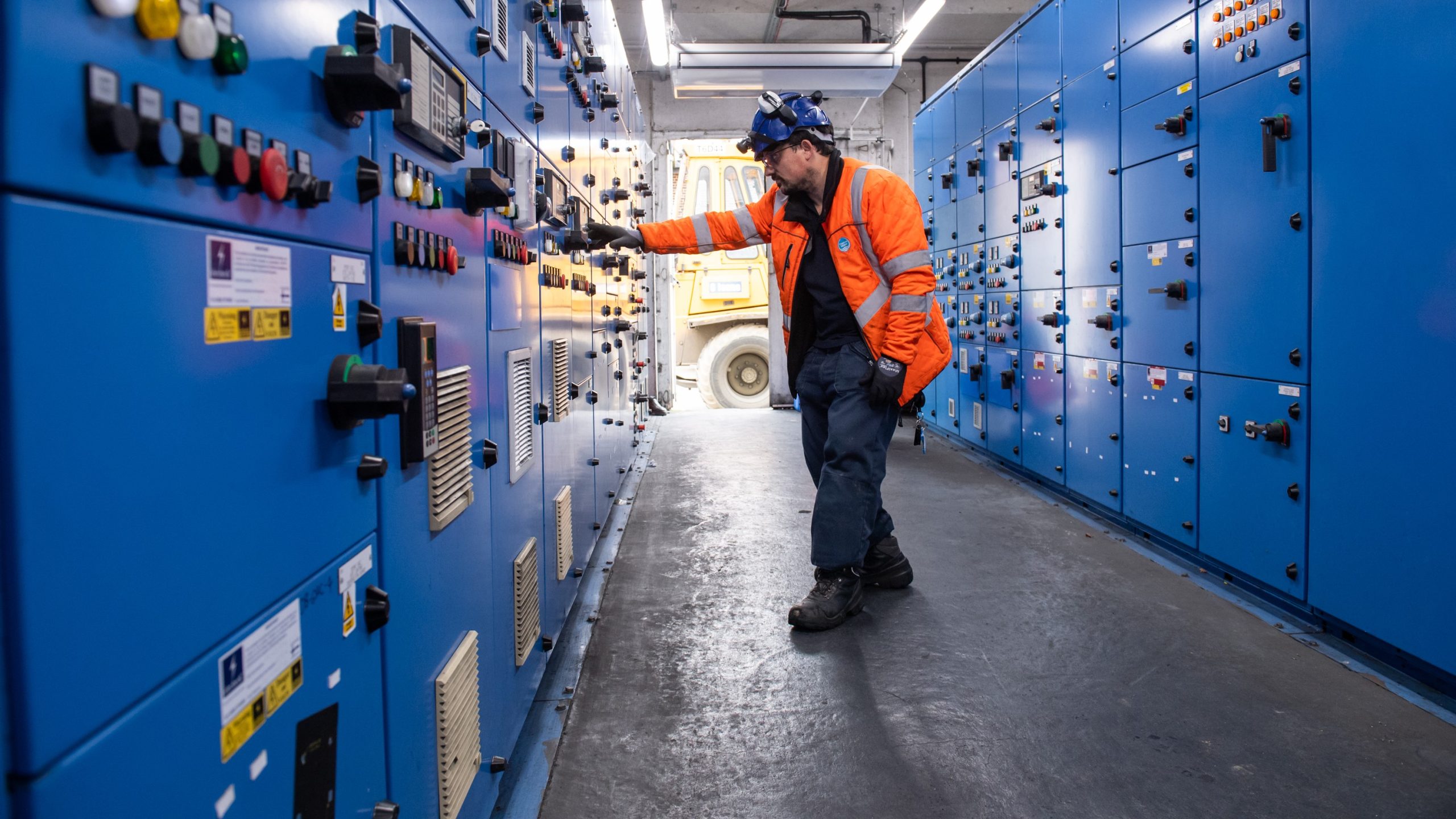
Graduate Schemes: Your First Step into
the UK Wastewater Industry
Entering the utilities and wastewater field typically begins with a graduate programme designed for recent
university leavers. Companies across the UK actively recruit graduates in civil engineering, environmental
science, and related disciplines.
For instance, Thames Water runs a two-year Learning to Lead Waste Management Graduate Programme,
offering rotations in operational placements focused on wastewater treatment and network management.
Similarly, United Utilities launched its 2026 Graduate Future Leader scheme with 47 roles, including
opportunities in rainwater and wastewater management, based in the North West of England.
Southern Water provides Graduate Operational Management Trainee positions in both water and wastewater
services, preparing participants for frontline leadership. Severn Trent Water offers programmes spanning
operational excellence and STEM-focused tracks, emphasising real-world exposure in the Midlands.
These schemes usually last between 18 months and three years, combining classroom training, site visits,
and mentorship. Starting salaries for graduates in wastewater roles often range from £28,000 to £35,000,
depending on location and company, with additional benefits such as chartered engineer support and flexible
working.
The programmes prioritise hands-on experience at treatment plants and pumping stations, helping graduates
understand the full cycle of wastewater collection, treatment, and environmental discharge. Many schemes
include placements with partner organisations, building a network that accelerates long-term career growth
in the utilities sector.
Mid-Level Progression: Developing Expertise
in Wastewater Management
After completing a graduate scheme, professionals typically advance to mid-level roles such as Wastewater
Engineer or Project Coordinator. These positions involve designing resilient networks, overseeing maintenance,
and ensuring compliance with Environment Agency regulations. At companies like United Utilities or Thames
Water, mid-level engineers might lead projects worth millions of pounds, upgrading ageing infrastructure in
urban areas such as Manchester or London.
Progression often includes gaining professional qualifications, such as Chartered Engineer status through the
Institution of Civil Engineers. Salaries in these roles average between £40,000 and £55,000, with senior
wastewater engineers at Severn Trent Water earning around £44,700 on average. Opportunities abound in
specialised areas like network modelling and asset management, where professionals use data analytics to
predict and prevent issues such as sewer overflows.
Mid-career development frequently involves cross-functional teams, collaborating with environmental scientists
and finance experts. This stage builds the leadership foundation necessary for senior positions, with many
utilities offering internal promotions and secondments to broaden experience.
Advancing to Senior Leadership
in the Utilities Sector
Reaching senior leadership in utilities and wastewater requires a blend of technical mastery and strategic vision.
Roles such as Operations Director, Head of Wastewater Services, or even Chief Executive involve overseeing
multi-million-pound investments and shaping policy responses to climate challenges. At Thames Water, senior
leaders manage vast operations serving London and the South East, while United Utilities executives focus on
the North West’s diverse urban and rural networks.
Senior salaries reflect the responsibility, often exceeding £80,000 and reaching £120,000 or more for board-level
positions, plus performance bonuses. Leadership programmes within companies emphasise stakeholder
management, financial oversight, and innovation in sustainable practices. Many executives have progressed
through the ranks, starting as graduates and gaining experience across operations, regulation, and customer
engagement.
The path to the top also includes external opportunities, such as contributing to industry bodies like Water UK
or presenting at national conferences. Senior leaders drive transformational projects, including £400 million
investments in London’s water supply resilience, demonstrating the sector’s commitment to long-term
environmental stewardship.

Key Skills for Thriving in UK
Wastewater Careers
Success across all career stages in the utilities and wastewater sector demands a specific skill set. Technical
proficiency in areas like hydraulic modelling and treatment processes forms the base, while soft skills such as
communication and problem-solving become crucial for leadership. Graduates develop these through structured
training, but mid-level professionals refine them via project delivery and team management.
Senior leaders excel in strategic thinking, regulatory navigation, and fostering innovation. Digital skills, including
data analytics for predictive maintenance, are increasingly vital as the industry embraces smart infrastructure.
Diversity and inclusion initiatives at companies like Severn Trent encourage varied perspectives, enhancing
decision-making at every level.
Continuous professional development remains essential. Many utilities fund further qualifications, ensuring
employees stay ahead of evolving challenges like population growth and extreme weather events affecting
UK wastewater systems.
Salary Expectations and Benefits Across
Career Stages
Compensation in the UK utilities and wastewater sector is competitive and progresses steadily. Graduates can
expect £28,000 to £35,000, rising to £45,000–£60,000 for experienced engineers. Senior roles command
£70,000 upwards, with top executives benefiting from comprehensive packages including pensions, private
healthcare, and company cars.
Benefits often extend beyond salary. Flexible working, generous holiday allowances, and volunteering
opportunities reflect the sector’s people-focused culture. Location influences pay, with premiums for roles in
high-demand areas such as the South East near Thames Water operations.
Top UK Companies Shaping Wastewater
Careers
Thames Water, United Utilities, and Severn Trent Water dominate the landscape, each offering robust career
frameworks. Thames Water invests heavily in graduate development and infrastructure upgrades across
Greater London. United Utilities, headquartered in Warrington, provides extensive programmes for the North
West, focusing on sustainable wastewater solutions. Severn Trent excels in operational leadership training,
serving the Midlands and beyond.
Other notable employers include Southern Water and WSP, which support water and energy graduates with
chartership pathways. These organisations prioritise internal talent, creating clear routes from graduate entry
to boardroom influence.
Challenges and Opportunities Ahead
in the Sector
The utilities and wastewater industry faces pressures from climate change, regulatory demands, and the need
for net-zero operations. Yet these challenges translate into opportunities for ambitious professionals.
Investment in resilient infrastructure creates roles in innovative treatment technologies and circular economy
practices, such as biogas recovery from wastewater.
Government funding and Ofwat oversight drive ambitious projects, rewarding leaders who deliver efficiency
and environmental gains. The sector’s commitment to diversity opens doors for underrepresented groups,
ensuring a dynamic workforce ready for future demands.
Practical Tips to Advance Your Career
in Utilities and Wastewater
Start by researching graduate schemes early and tailoring applications to highlight relevant projects or
internships. Networking at industry events and joining professional bodies accelerates visibility. Seek
mentors within your chosen company and pursue stretch assignments to demonstrate leadership
potential.
Stay informed about sector trends through publications like Water Magazine. Embrace lifelong learning,
whether through chartered status or leadership courses. With dedication, a graduate role in wastewater
can lead to influential senior positions that shape the UK’s water future.
In summary, career paths in utilities and wastewater provide a rewarding journey from graduate schemes
to senior leadership. The UK’s leading water companies offer structured support, competitive rewards,
and meaningful impact. For those passionate about engineering sustainable solutions, the sector promises
long-term growth and the chance to contribute to vital national infrastructure.