
Introduction: Why the UK Utilities and Wastewater
Industry Needs a Future-Proof Workforce Now
The UK utilities and wastewater sector stands at a critical crossroads. With ambitious plans for £100 billion in
infrastructure upgrades over the coming years, water companies face unprecedented demand for skilled
professionals to deliver clean water, manage wastewater treatment, and meet net-zero targets.
Yet a growing skills shortage threatens to derail progress. Building a future-proof workforce in utilities and
wastewater is not just about filling vacancies – it is about creating resilient teams equipped for digital
innovation, climate resilience, and sustainable operations across England, Wales, and beyond.
This blog explores practical strategies for UK water companies, regulators like Ofwat, and industry leaders
to develop talent pipelines that will secure reliable services for generations. From apprenticeships in the
Midlands to smart technology training in the North West, forward-thinking initiatives are already transforming
the sector.
The Urgent Skills Shortage in UK Water
and Wastewater Services
Recent reports highlight a stark reality: the UK water sector requires an additional 43,700 workers by 2030
to replace retiring staff and support major investment programmes. This 36% workforce expansion is
essential to deliver upgrades under the Asset Management Period 8 (AMP8) framework.
An ageing workforce, combined with retirements and competition from other engineering sectors, has created a
perfect storm. Only 8% of current water industry employees are under 24, while up to 30% could retire in the
next decade. Skills gaps are particularly acute in process engineering, environmental compliance, and digital
monitoring; areas vital for modern wastewater treatment plants in places like Birmingham and Manchester.
Without action, these shortages risk delaying vital projects, increasing leakage, and compromising
environmental standards set by regulators. UK utilities companies such as Severn Trent and United Utilities
recognise that proactive workforce planning is key to maintaining service levels while tackling challenges like
population growth and extreme weather.
Essential Skills for a Future-Proof Utilities Workforce
Digital Proficiency and Smart Technology Adoption
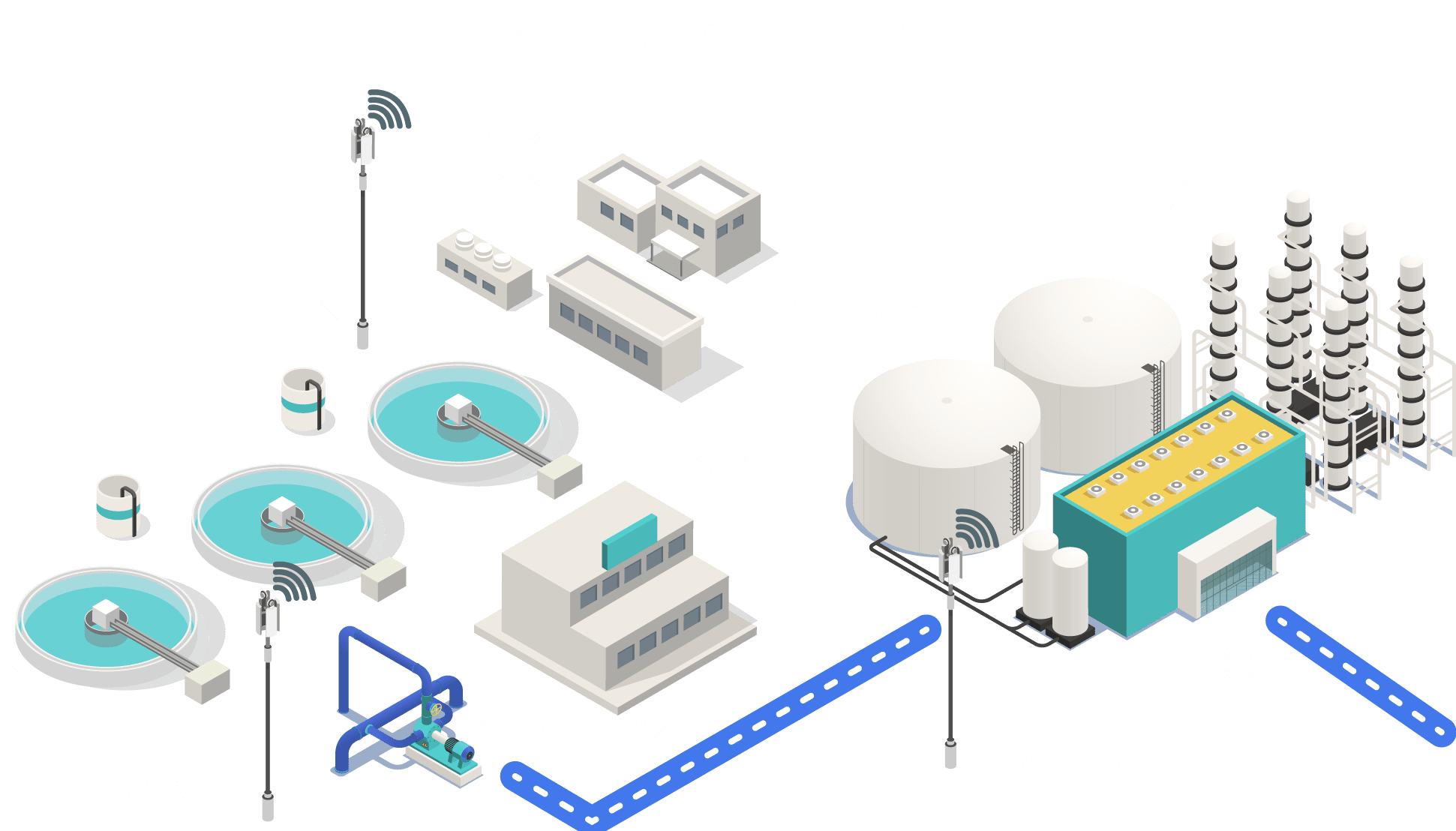
Tomorrow’s workforce must master Internet of Things (IoT) sensors, data analytics, and predictive
maintenance tools. Smart water infrastructure is revolutionising how companies like Yorkshire Water
monitor treatment processes in real time, reducing waste and improving efficiency.
Training in these areas ensures operatives can handle automated systems that cut operational costs
by thousands of pounds annually.

Sustainability and Green Skills Development
Sustainability expertise is non-negotiable. Employees need knowledge of circular economy principles,
water recycling, and nature-based solutions to meet strict environmental targets.
United Utilities has invested heavily in green infrastructure projects across the North West, requiring
teams skilled in biodiversity enhancement and carbon reduction; skills that deliver both regulatory
compliance and long-term savings of millions of pounds.
Leadership, Adaptability, and Cross-Sector Collaboration
Soft skills matter too. Future leaders in wastewater management must collaborate across supply
chains, engage communities, and adapt to evolving regulations. Programmes emphasising these
competencies prepare staff for the dynamic demands of the sector.
Proven Strategies for Building a Resilient Workforce in Utilities
Investing in Apprenticeships and Vocational Training
UK water companies are scaling apprenticeships to bridge gaps. Water UK and the government
have committed to 5,000 new apprenticeship places over five years, alongside support for 100,000
individuals from untapped talent pools, including care leavers and veterans.
Severn Trent leads with broad new-talent programmes covering engineering, cyber security, and
environmental management, offering hands-on experience at facilities in the Midlands.
These Level 2 and Level 3 schemes, such as water industry network technician and treatment
process technician apprenticeships, combine classroom learning with site-based work.
Funding through Ofwat-approved mechanisms makes them cost-effective, with many programmes
delivering qualified professionals who stay long-term and contribute immediately.
Partnerships with Universities and Educational Bodies
Collaboration is key. Companies partner with institutions to develop tailored curricula in water
engineering and sustainability. Ofwat’s own degree apprenticeships in economics and project
management demonstrate how regulators are leading by example. Initiatives like the Energy &
Utility Skills Strategy 2025-2030 further align training with sector needs, ensuring graduates
enter roles ready to innovate.
Embracing Diversity and Inclusion for Broader Talent Pools
Diverse teams drive better outcomes. UK utilities are widening recruitment to attract more
women, ethnic minorities, and individuals from non-traditional backgrounds. Targeted outreach
in cities like Leeds and Cardiff, combined with inclusive policies, helps address the gender
imbalance in engineering roles and builds culturally aware workforces better equipped to serve
diverse communities.
How Leading UK Water Companies Are Pioneering Workforce Development
Severn Trent exemplifies best practice with its future skills strategy, including work experience
placements and university partnerships. The company’s focus on process engineering and strategy
roles ensures it can deliver ambitious business plans while nurturing internal talent.
United Utilities invests in modular training for wastewater networks in the North West, preparing teams
for water transfer projects that enhance regional resilience. Thames Water, despite challenges,
advances technical partnerships for major schemes like the Severn to Thames Transfer, requiring
specialist skills in large-scale infrastructure delivery.
These organisations show that investing in people yields measurable returns – from reduced
downtime to enhanced customer satisfaction and environmental performance.
The Role of Government Policy and Regulatory Support
Ofwat and government initiatives provide crucial backing. The expansion of apprenticeships and
innovation funding encourages companies to prioritise workforce development. Policies under the
Clean Energy jobs plan and Water Resources Management Plans integrate skills planning with
long-term infrastructure goals, ensuring billions of pounds in investment translate into high-quality
UK jobs.
Local Net Zero Hubs and sector-wide strategies further support regional training hubs, making
skills development accessible from Cornwall to Scotland’s borders.
Conclusion: Securing a Sustainable Future Through People Investment
Building a future-proof workforce in the UK utilities and wastewater sector demands commitment
from all stakeholders. By addressing the 43,700-worker gap through targeted training, digital
upskilling, and inclusive recruitment, companies like Severn Trent, United Utilities, and Thames
Water can deliver reliable services, protect the environment, and drive economic growth.
The rewards are clear: lower operational costs, innovation in smart water management, and
resilient communities. As the sector prepares for AMP8 and beyond, investing in people remains
the smartest strategy. UK water companies that act decisively today will lead a sustainable
tomorrow; ensuring clean water flows reliably for every household and business across the nation.
For utility leaders seeking to strengthen their teams, now is the time to explore apprenticeship
schemes, partner with educational providers, and champion diversity. The future of UK
wastewater and utilities depends on the workforce we build today.