

As the UK navigates towards a sustainable future, the utilities and wastewater sector stands at the forefront of
transformation. With ambitious net zero targets by 2050 and unprecedented investments, this industry is
evolving rapidly. Emerging trends such as renewable energy integration, digitalisation, and climate resilience
are reshaping operations, while a pressing skills gap highlights the need for new talent.
This blog explores the sector’s trajectory, key trends, and the skills poised to drive progress.

Sustainable Views
Current Landscape of the UK Utilities Sector
The UK utilities sector encompasses energy, water, and wastewater services, essential for daily life and economic
stability. In 2026, the sector faces a neutral outlook overall, with improvements noted in water utilities. Revenue in
water utilities has grown at a compound annual rate of 1.4% between 2020 and 2025, reaching significant figures
amid challenges like inflation and extreme weather.
Energy Utilities
Energy utilities are pivoting towards decarbonisation, with sizeable investments in renewables and nuclear power.
Foreign investments are reshaping renewables, while battery storage enhances grid resilience. AI-driven demand
for data infrastructure is surging, prompting a race for sustainable solutions. The government’s commitment to net
zero remains steadfast, with cross-party support fostering stability.
However, risks such as cyber threats and policy fluctuations persist.
Water and Wastewater Sector
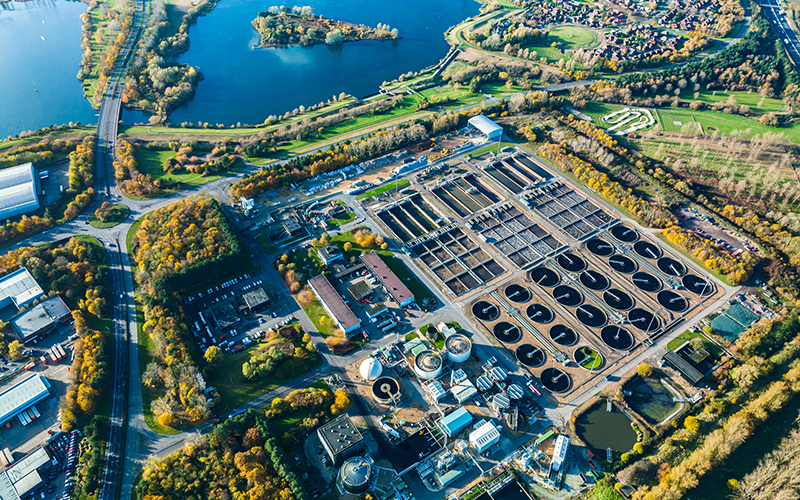
The wastewater segment grapples with environmental pressures, including record sewage spills exceeding 3.6
million hours in 2024. Chronic under-capacity in treatment systems exacerbates overflows, necessitating upgrades.
Investments of £96 billion from 2025 to 2030 aim to address leakage, build reservoirs, and enhance monitoring.
Extreme weather events, with new rainfall records, strain resources further.
Emerging Trends Shaping the Sector
Innovation is key as the sector adapts to climate change and technological advancements. Trends include energy
efficiency, circular economy practices, and smart systems.
Sustainability and Net Zero Goals
The push for net zero drives renewable energy generation at treatment plants and fleet electrification. Zero-liquid
discharge systems are gaining traction for stricter regulations. Grid reliability and energy independence are priorities,
with Europe needing €1.4 trillion in investments by 2035. Water recycling in urban settings mitigates scarcity.
Technological Advancements
Digital monitoring, AI, and automation are revolutionising operations. Smart urban water systems integrate
digitalisation to reduce demand and flood risks. Data-driven strategies for AMP8 (Asset Management Period 8)
enhance efficiency. However, AI’s water usage could rise to 6.6 billion cubic metres globally by 2027, equivalent to
over half the UK’s total.
Investment and Infrastructure
Record investments, including £38 billion for nuclear and grid upgrades, promise growth. Nine new reservoirs and
water transfer schemes are underway. The sector anticipates 30,000 new jobs by 2030 in water alone.
Skills in High Demand
A skills shortage looms, with 43,700 new workers needed in water by 2030. The industry seeks diverse talent to
meet demands.
Technical Skills
Roles like plant operators, maintenance technicians, and water resources engineers are critical. Expertise in
hydraulics, bioresources, and environmental science is essential. Wastewater engineers require strong foundations
in maths, chemistry, and biology.
Digital and Data Skills
Digital skills for AI, data science, and software engineering are increasingly vital. Programmers and data analysts
support smart monitoring. Instrumentation and control technicians address hard-to-fill gaps.
Soft Skills and Management
Project management oversees complex upgrades. Stakeholder awareness and operational judgement are honed
through apprenticeships. Procurement, legal, and finance roles ensure effective investment delivery.
Addressing the Skills Gap
The sector must attract and retain talent amid competition from other industries.
Training Initiatives
The Water Skills Strategic Group, launched by the government, focuses on workforce needs until 2030. It identifies
priority areas and improves attractiveness to diverse candidates.
Apprenticeships and Education
Apprenticeships bridge gaps by building technical and workplace skills. STEM recruitment is crucial, with over 35%
of skilled roles unfilled. Pathways in civil engineering and environmental fields offer transferable opportunities.
Conclusion
The UK utilities and wastewater sector is on the cusp of a resilient, innovative era. By embracing trends like
sustainability and digitalisation, and investing in skills such as engineering and data analysis, it can overcome
challenges like skills shortages and environmental pressures. With £104 billion in investments and 40,000 jobs
on the horizon, opportunities abound for those entering the field. Stakeholders must collaborate to build a
workforce ready for tomorrow’s demands, ensuring a sustainable future for all.